
How AI Is Rewriting the Future of Service Industries
The service industry has always thrived on human connection—helping, advising, and creating experiences that make life easier or better for others. But as artificial intelligence (AI) takes hold, that foundation is shifting. The future of services is being rewritten by algorithms that can predict needs, personalize experiences, and deliver solutions at scale—faster and often more accurately than humans.
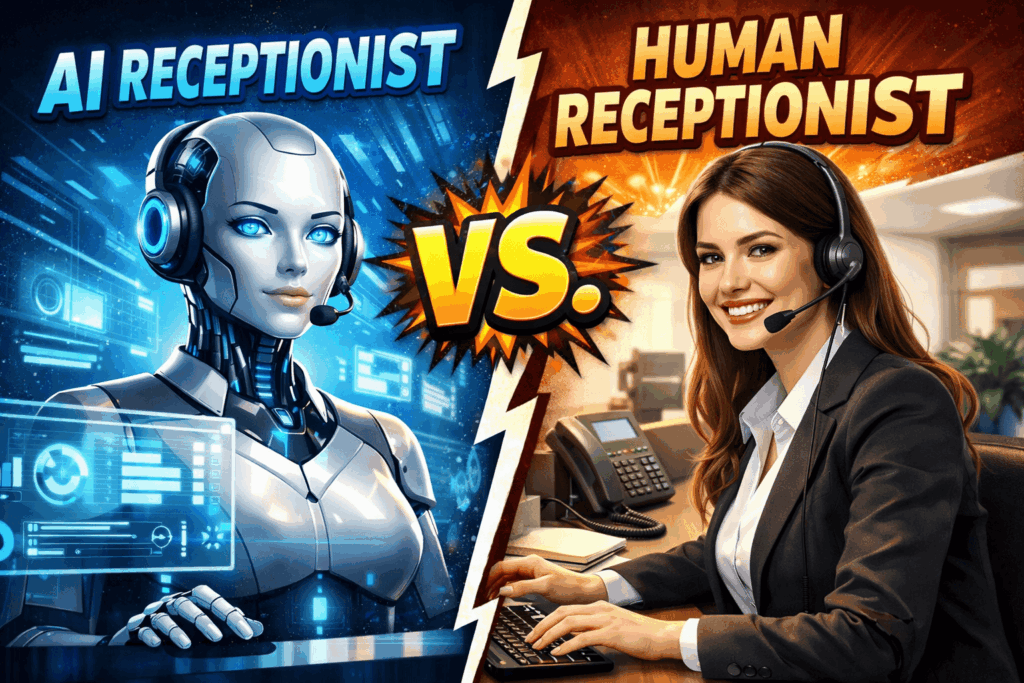
This isn’t about replacing people. It’s about transforming how services are delivered, managed, and improved. AI is turning the service economy into a precision engine—where data fuels decisions and automation frees humans to focus on creativity, empathy, and complex problem-solving.
Let’s break down how AI is redefining the landscape across major service sectors and what it means for the future of work, competition, and customer experience.
AI at Work in the Service Economy
1. Customer Service: From Call Centers to Cognitive Companions
Customer service was one of the first frontiers for AI adoption—and it’s evolving fast. Traditional call centers, once powered by scripts and human agents, are now being reshaped by intelligent virtual assistants and chatbots capable of handling thousands of queries simultaneously.
These systems don’t just follow pre-programmed rules. With natural language processing (NLP) and sentiment analysis, they can understand tone, intent, and even emotion. Tools like ChatGPT and enterprise AI solutions from major tech companies are already helping businesses deliver 24/7 support that feels more human—and more efficient—than ever before.
But the real shift isn’t just in automation. AI allows for hyper-personalization. By integrating with CRM systems, it can instantly access customer histories, preferences, and behaviors. This means faster resolutions, more relevant recommendations, and higher satisfaction. In the future, your “customer service agent” might anticipate your issue before you even reach out.
2. Healthcare: The Rise of Predictive and Personalized Care
AI in healthcare is more than a trend—it’s a revolution. From diagnostics and imaging to patient engagement, it’s creating a new kind of care ecosystem that’s both data-driven and patient-centered.
Imagine a system that predicts disease risks years in advance or tailors treatment plans to individual genetic profiles. AI models trained on vast datasets can now detect early signs of cancer, heart disease, and neurological disorders more accurately than human specialists in some cases.
In service terms, this means moving from reactive care to proactive wellness management. Telehealth services powered by AI triage symptoms, manage follow-ups, and even monitor recovery through wearable devices that send real-time updates to physicians.
Healthcare is also seeing the rise of AI-powered administrative automation, cutting down paperwork and enabling medical staff to focus more on patients, not processes. The result: faster, more precise, and more compassionate care.
3. Finance: Smarter, Safer, and Seamless Services
Financial services have long relied on data and algorithms, but AI is pushing the boundaries of what’s possible. From fraud detection to portfolio management, it’s creating a safer, smarter financial environment.
AI models can now detect anomalies in transactions within milliseconds, protecting consumers from fraud before it happens. Robo-advisors are offering personalized investment advice based on risk tolerance and life goals—services that were once exclusive to private banking clients.
Customer-facing services are also improving. Chatbots in banking apps handle everyday requests like payments, balance checks, and loan inquiries instantly. Behind the scenes, AI-driven risk analysis and credit scoring are helping financial institutions make more informed, unbiased lending decisions.
But perhaps the most profound impact is accessibility. AI is democratizing financial services, making advanced tools and insights available to individuals and small businesses that were previously underserved.
4. Hospitality and Travel: Predicting What Guests Want Before They Ask
Few sectors rely on customer experience as heavily as hospitality—and AI is becoming its secret weapon. Smart booking systems predict traveler preferences based on past stays and online behavior, while dynamic pricing algorithms adjust rates in real time to optimize occupancy and revenue.
In hotels, AI-powered concierge systems personalize guest experiences—remembering dietary preferences, suggesting local attractions, and even adjusting room environments automatically. Airlines use predictive analytics to improve maintenance schedules, reduce delays, and enhance passenger safety.
The future of hospitality isn’t just about better service; it’s about anticipatory service—knowing what the customer wants before they even think to ask.
5. Logistics and Transportation: The Age of Predictive Efficiency
In logistics and transportation, AI is turning complexity into clarity. By analyzing massive streams of real-time data—traffic patterns, weather, fuel costs, and consumer demand—AI systems can optimize routes, reduce delivery times, and cut operational costs.
Predictive analytics can forecast demand spikes, ensuring warehouses are stocked efficiently and delivery networks remain agile. Autonomous vehicles and drones, guided by AI, are also beginning to redefine last-mile delivery.
For logistics companies, this means precision at scale—delivering faster, cheaper, and greener. For customers, it means reliability and transparency, down to the minute their package arrives.
6. Education and Training: Personalized Learning for the Service Workforce
The service economy runs on people—and AI is transforming how those people learn and grow. Adaptive learning platforms use machine learning to analyze how individuals absorb information, then tailor lessons to their pace, strengths, and weaknesses.
In corporate training, AI tracks employee performance, identifies skill gaps, and recommends targeted learning modules. This makes workforce development faster, smarter, and far more engaging.
In education services, AI tutors and virtual classrooms are breaking barriers of access and geography. Students can now learn complex subjects from AI-driven assistants that offer instant feedback and real-time coaching.
The result? A continuous learning loop that prepares the workforce for the ever-changing demands of the AI-powered service economy.
7. The Human Factor: Collaboration, Not Competition
A common fear is that AI will replace human jobs. The truth is more nuanced. While automation will eliminate certain routine roles, it will also create new opportunities for innovation, empathy, and strategy—the areas where humans shine.
In service industries, success has always depended on trust and relationships. AI can analyze and predict, but it can’t empathize or connect in the way people can. The winning formula of the future will be AI + Human, where technology handles precision and scale, and humans bring creativity and emotional intelligence.
The future workforce will need to master AI collaboration, understanding how to harness these tools effectively while maintaining the human touch that defines great service.
8. The Road Ahead: Building Smarter, Fairer Service Ecosystems
The integration of AI into service industries isn’t just a technological shift—it’s a cultural one. It challenges businesses to rethink their value propositions, ethics, and operational structures.
Issues like data privacy, algorithmic bias, and digital accessibility must be addressed head-on to ensure AI serves everyone fairly. Regulations and transparency will play key roles in maintaining consumer trust.
For forward-thinking companies, the opportunity is massive. Those who invest now in ethical, human-centered AI systems will define the next era of service excellence.
Conclusion: The Service Revolution Is Here
AI is not the future of service industries—it’s the present. From hospitals and hotels to call centers and classrooms, artificial intelligence is already enhancing how people connect, learn, and receive help.
But the best outcomes will come from balance. The future belongs to organizations that blend the efficiency of machines with the empathy of humans. When AI becomes an enabler, not a replacement, the service industry doesn’t lose its heart—it finds a stronger one.